Marleen COPPENS (ENG) – This edition: vulnerability in doctor and patient, and the spiritual dimension of care
Spiritual Care in Healthcare: from the perspective of our FEAMC president
Prof. Dr. Rok Čivljak
president of FEAMC (Fédération Européenne des Associations Médicales Catholiques)
University of Zagreb School of Medicine, Zagreb, Croatia
Spiritual Care in Healthcare from the Perspective of a Healthcare Professional
Summary:
During illness, a person's physical and mental health, as well as spiritual health, suffer. Therefore, facing illness and death represents a great challenge for patients and their family members, as well as for healthcare professionals. Physicians are called to care for physical and mental health, while spiritual health is the domain of spiritual caregivers. Thus, spiritual care should be an essential component of healthcare, as addressing the spiritual and religious needs of patients has a positive impact on healthcare outcomes. A spiritual caregiver is not necessarily a priest; he/she can also be a layperson acting in a spiritual capacity, and in some exceptional circumstances, even a healthcare professional himself although he does not necessarily have to share the same worldview and religious beliefs as the patient. To implement spiritual care in the healthcare system, it is essential to define the education, qualifications, and competencies of spiritual caregivers within the Croatian educational system. Hospital chaplains and spiritual caregivers have the opportunity to contribute to the future development of both spiritual and health care in healthcare institutions. However, the role of spiritual caregivers has not yet been widely accepted or realized, even though it is well-defined and scientifically supported in the evidence-based literature. Healthcare professionals need to have a clearer understanding of the role of spiritual caregivers and the necessity of their presence in healthcare institutions, while spiritual caregivers must recognize the importance of their competent integration into healthcare to be acknowledged by the system as an integral part of the interdisciplinary team that provides integrated care to patients and their family members, as well as healthcare professionals.
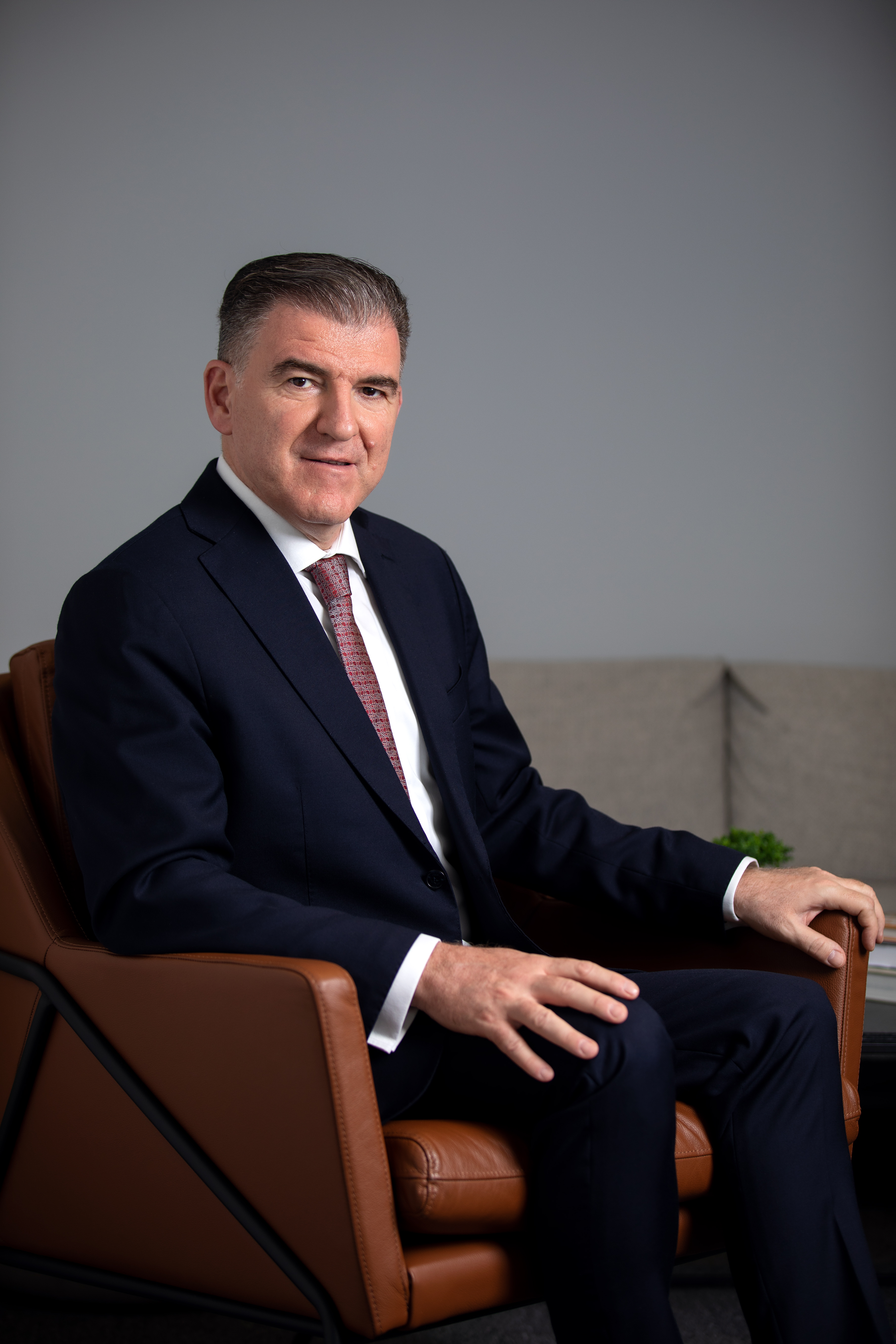
Rok Čivljak, FEAMC president
1. Introduction
Facing illness and death, especially during hospitalization, represents a great challenge for patients, their family members, as well as for physicians and other healthcare professionals who care for them. During illness, a person’s physical and psychological well-being, as well as spiritual health, are affected. While physicians are called to care for physical and mental health, spiritual health is entrusted to spiritual caregivers.
WHO definition of health
According to the definition of the World Health Organization (WHO), health is a state of complete physical, mental, and social well-being, and not merely the absence of disease or infirmity. It is a fundamental human right, and achieving the highest possible level of health is the most important social goal. The WHO adopted the strategy “Health for All in the 21st Century”, based on the social determinants of health, which emphasizes health promotion through social and economic development, but nowhere mentions spiritual care as an integral part of healthcare [1] .
Healthcare in an evolving society
With advances in science and various technologies, human life expectancy has significantly increased, including for patients with chronic and malignant diseases. On the other hand, social changes have affected professional and interpersonal relationships, threatening respect for human dignity. Faced with a culture that often encourages us to view the entire healthcare system as just another business and health as a product offered to consumers or patients, it is necessary to emphasize the central importance of the human person and the dignity of both healthcare professionals and patients, as well as their family members [2] .
Holistic approach
Attention focused on the whole person arises from the understanding that patients experience not only physical but also psychosocial and spiritual suffering. It is persons who suffer, not just bodies, which points to the importance of a holistic approach to patients and to respecting their dignity as human beings. This was first recognized by Cicely Saunders (1918–2005), the founder of the first modern hospice and one of the most deserving figures for establishing the culture of palliative care. She introduced the concept of “total pain,” which includes physical, psychological, social, and spiritual dimensions of suffering. Therefore, in caring for severely ill and dying patients, she addressed all elements of pain, emphasizing patient dignity and integrating compassion into healthcare—all while adhering strictly to evidence-based medicine (EBM) in the treatment and care of patients [3] .
Role of the spiritual caregiver
But what is the role of the spiritual caregiver? Although patients’ spiritual and religious needs are often neglected, there is growing awareness of their importance in improving healthcare outcomes. A spiritual caregiver, who need not necessarily be a priest, may also be a layperson acting as a spiritual guide, and in certain exceptional circumstances even a healthcare worker. Every hospitalized patient has the right to spiritual care, regardless of whether the caregiver shares the same worldview or religious beliefs [4] .
Every patient has the right to spiritual care, regardless of belief
Key elements of spiritual care
Over time, three key elements of spiritual care have been identified: education, qualification, and competence of the caregiver. In the context of increasing multiculturalism and multiconfessionalism, it is necessary to ensure equal spiritual care for all patients, including non-believers. Likewise, considering the need for teamwork in healthcare, the role and contribution of hospital chaplains in interdisciplinary care for patients, their families, and healthcare professionals must be defined. To evaluate and measure the effectiveness of spiritual care within the context of EBM, clinical studies are needed to better assess the service and demonstrate its positive effects on patients, their families, and healthcare workers [5].
2. Spiritual caregivers today
Today, it is essential that spiritual caregivers are aware of the social changes taking place in contemporary society. The gap between patients and healthcare professionals is growing due to a culture that prioritizes money over people. In such a situation, even healthcare professionals who see medicine and nursing as a calling rather than just a profession find it increasingly difficult to cope. The Catholic Church calls for action—that is, for necessary changes in society—to improve attitudes toward the sick and vulnerable, as well as toward those who care for them [6].
The aim of this paper is to highlight the role of hospital chaplains and spiritual caregivers in healthcare, to emphasize their potential in providing spiritual support to patients, their families, and healthcare professionals, and to point out the lack of interdisciplinary education in this field in the Republic of Croatia.
Even healthcare professionals who see medicine and nursing as a calling rather than just a profession find it increasingly difficult to cope.
Current situation in Croatia
Since the Republic of Croatia gained independence in the 1990s, spiritual care for patients has been introduced in some Croatian hospitals based on agreements between the Holy See and the Republic of Croatia [7]. The Agreement on Legal Matters signed in 1996 guarantees to the Catholic Church the right to provide spiritual care to the faithful in hospitals and all healthcare and social welfare institutions. This pastoral activity is to be regulated by a special agreement between the responsible ecclesiastical authorities and the state authorities of the Republic of Croatia [8].
Within these agreements, spiritual caregivers are appointed by local ordinaries, and, as a general rule, they also attend to the spiritual needs of healthcare workers. With the establishment of the Croatian Catholic Medical Association and the Croatian Catholic Society of Nurses and Medical Technicians, the roles of spiritual caregivers (spiritual assistants) were also introduced for these associations and their branches throughout Croatia [9-10]. Through their activities, spiritual care began to be provided—at least in part—to healthcare workers in Croatia, although this did not encompass all healthcare institutions or all professions in healthcare.
Challenges
However, even after thirty years since the introduction of this service, the issue of spiritual care for patients and healthcare professionals has not been thoroughly defined, nor has a system of continuous education and formation for current and future spiritual caregivers in healthcare been established.
The inclusion of spiritual caregivers in medical teams providing healthcare is extremely important, especially in hospitals—even in communities where only a small proportion of the population identifies as believers. Therefore, spiritual care should not necessarily be tied only to the needs of believers, nor solely to the Catholic Church, although for centuries, hospital chaplains, that is, priests, were exclusively responsible for it.
Scientific evidence
A study conducted in the United Kingdom showed that only 4% of a chaplain’s encounters were with patients who did not identify as believers. In times of crisis, such as illness or death, people often seek conversation with someone who shares their worldview and religious beliefs, who can understand their perspective and offer a high level of empathy and compassion.
Given the increasing proportion of believers of other religions and religious communities—both globally and in Croatian society [11]—and the declining proportion of believers among the general population, it is necessary to consider not only increasing the number of Catholic priests engaged in spiritual care but also involving spiritual workers from other religious communities, as well as non-religious caregivers, to ensure equal access and quality of healthcare for all patients, including non-believers [12].
While countries like Croatia still have limited experience with the benefits of spiritual care in hospitals, other nations are examining specific goals and effects of spiritual care in particular medical procedures and situations. Spiritual care has been shown to have a positive effect on the quality of life and spiritual well-being of terminally ill patients, which has led to proposals to integrate spiritual care into standard palliative care [13].
Spiritual care for cancer patients
Similar findings have been reported in studies on the effects of spiritual care on oncology patients. Spiritual distress negatively affects the quality of life of patients with malignant diseases, and spirituality has proven to be an important component of health and overall well-being. Consequently, the introduction of spiritually-based interventions has become essential to support the spiritual well-being of oncology patients. Many national and international oncology and palliative care associations have therefore formed working groups and developed specific recommendations and guidelines for this type of care [14]. It is important to inform and educate oncologists about these findings so that spirituality can be integrated as an essential component of oncology care.
Spiritual care at end-of-life
The presence of spiritual caregivers in end-of-life care is particularly valuable. If a hospital chaplain or spiritual caregiver is present in a ward, they can recognize cases of dysthanasia (the prolongation of agony, suffering, and postponement of inevitable death through therapeutic measures known to have no positive outcome) and recommend the application of orthothanasia (a dignified death, without deliberate shortening but also without artificial prolongation of life) [15]. Such moments are not easy for the patient, family members, or the attending physician. Therefore, the presence of a spiritual caregiver is invaluable in helping all involved make these difficult decisions.
A spiritual caregiver can help to recommend orthothanasia (a dignified death, without deliberate shortening but also without artificial prolongation of life)
In providing healthcare, both medical professionals and spiritual caregivers should consider patients’ spiritual needs, as well as their social and cultural backgrounds and religious affiliations. Spiritual care should therefore be organized not only for the majority population but also for ethnic minorities and believers of other faiths.
Spiritual care in Islam
In Europe and other settings where Muslims are not the majority but form an increasingly large part of the population, healthcare professionals need to be aware of the specific needs and approaches appropriate for Muslim patients in order to provide culturally and religiously sensitive care. Arshia Madni and colleagues have outlined ten basic principles followed by many Muslim patients and their families that can help healthcare workers understand their needs and provide inclusive care: 1) Regular performance of the five daily prayers and recitation of the Qur’an, important for gaining strength and coping with illness; 2) The need to meet with a religious leader or imam during illness; 3) Issues of confidentiality, informed consent, and medical decision-making, which may differ from Western Christian norms; 4) Fasting during Ramadan and other dietary considerations (such as avoiding medicines containing alcohol or pork-derived gelatin); 5) Respect for privacy in culturally sensitive treatments; 6) Acceptance of certain treatments may depend on submission to “God’s will”; 7) Reluctance to use analgesia or sedation in palliative care; 8) Differing views on end-of-life decisions (euthanasia/dysthanasia), which may prompt consultation with an imam; 9) Specific customs for care of the deceased and preparation for burial; 10) Distinct approaches to informing and decision-making for seriously ill children, where the father is often considered the head of the family [16].
Spiritual care in Judaism
Similarly, for Jewish patients: 1) Judaism is more than a religion—it is also a cultural and ethnic identity; 2) Observance of the Sabbath may conflict with certain medical procedures; 3) Some Jews may insist on kosher dietary restrictions; 4) The value of saving life (pikuach nefesh) can influence decisions on life-prolonging measures; 5) Jewish patients may be wary when non-Jewish clinicians inquire about their faith, due to collective intergenerational trauma; 6) Orthodox Jews may have specific practical and spiritual concerns regarding severe illness and death; 7) Judaism prescribes strict rituals before and after death; 8) Jewish views on organ donation may differ due to varying definitions of death; 9) Many Jews consider prayer a vital component of coping with illness; 10) Views on the afterlife vary among Jews [17].
3. Spiritual Care for Healthcare Professionals
Recent research has shown that medical care that includes compassion results in better patient cooperation and improved treatment outcomes. Compassion from healthcare professionals also has a positive effect on the professionals themselves, as it contributes to lower rates of burnout and higher job satisfaction. For this reason, some medical schools have begun implementing programs that teach empathy and compassion, either as part of required or elective courses. Compassion should be a skill we learn—just like learning how to perform a thorough physical examination.
Medical care that includes compassion results in better patient cooperation and improved treatment outcomes
The patient perpective
It has been shown that patients’ perception of a doctor’s empathy and/or compassion can be enhanced by physician behaviors that demonstrate closeness and care—such as sitting during conversations with the patient, recognizing nonverbal emotional cues, identifying and using opportunities to show compassion, expressing concern and interest nonverbally, and offering verbal expressions of support [18].
However, facing illness and death is not only a challenge for patients—it can also be a professional and emotional challenge for physicians and other healthcare professionals. Experience shows that many healthcare workers, under the pressure of numerous professional demands, succumb to stress, which may manifest as an increased risk of illness, addiction, and burnout. Many healthcare professionals experience stress when working with demanding patients and in crises—not only during the COVID-19 pandemic but also during previous epidemics. Therefore, it is essential to increase institutional support for healthcare workers and to develop educational programs that improve their ability to cope with these challenges, promote healthy lifestyles, and foster self-compassion [19].
New iniatives
In some hospitals, as a response to crises, initiatives known as Code Lavender have been launched. This is a support line for healthcare professionals that can be activated at any time. It involves the physical presence of a trained person who expresses a willingness to help and offer support, ranging from individual or team conversations to additional psychological or pharmacological therapy, and even spiritual assistance. These interventions are carried out by trained individuals, and often by entire multidisciplinary teams that include chaplains (priests). In some institutions, interdisciplinary teams—so-called Team Lavender—have already been established, becoming part of a coordinated form of spiritual, emotional, and psychological support for healthcare workers, in which priests and hospital chaplains often participate. This gives a new dimension to the presence of spiritual caregivers in healthcare institutions. Spiritual workers should not be seen as isolated individuals, but rather as integral members of the medical team, providing holistic care to both patients and healthcare professionals [20]. Similar programs could have been applied to healthcare workers during the COVID-19 pandemic, but they were mostly absent.
Compassion should be a skill we learn — just like learning how to perform a thorough physical examination
Caring for the carers
Spiritual care for healthcare professionals is a very important activity of hospital chaplains. It is estimated that hospital chaplains spend 10–30% of their time providing spiritual care for healthcare workers, and in some cases, even more. The most commonly reported activities include religious ones—such as blessings and Mass celebrations—as well as participation in standardized crisis protocols, like supporting hospital staff after the death of a patient or during other crises. Further research is needed to determine how hospital chaplains can be systematically supported in these activities and whether such efforts have a positive impact on the experiences and outcomes of patients themselves [21].
Therefore, spiritual care for healthcare workers is crucial for preserving their spiritual, physical, and mental integrity, which helps them perform their professional duties more effectively. Moreover, spiritually strengthened healthcare professionals are also better able to fulfill their personal and social roles, contributing to a higher quality of both professional and private life.
4. Spiritual Care in Extraordinary Circumstances
When a nation or society suddenly faces extraordinary circumstances that cause widespread confusion, insecurity, and fear of the future, people naturally turn to God. This is especially true for the sick and the poor, the powerless and the wounded, and those who suffer from various injustices. Despite the weaknesses and mistakes of religious ministers, people trust them because their work is not merely human, but also divine. Such an awareness exists among the Croatian people as well, in relation to the Catholic Church, which has always been a source of support and refuge in difficult times [22].
The COVID-19 experience
However, due to the technological and scientific advancement of medicine, modern humans have developed an illusion of invincibility—almost of immortality. The recent experience of the COVID-19 pandemic reminded us of our vulnerability and mortality [23]. At the beginning of the pandemic, even the dignity of dying was called into question, as people often died alone, sometimes without a dignified farewell from their loved ones, and occasionally even without a proper funeral. Everything often took place in the presence of only a few close individuals, or sometimes solely in the company of healthcare workers [24].
Thus, the specific circumstances of treating COVID-19 patients—together with the need for isolation and restrictions on contact with the sick and dying—posed new challenges for healthcare professionals. Millions of sick and dying individuals needed not only medical care but also comfort and compassion—they needed spiritual care. We were faced with the challenge of redefining the role of healthcare professionals and returning to a forgotten holistic approach to the patient, which over time had faded into the background. In the past, it was common for patient care to be provided by a triad consisting of a physician, a nurse (often a nun), and a priest. This model has regained relevance because it embodies what medicine should strive for to meet the demands of our time. A chaplain should be part of this team, as he understands the spiritual needs of both patients and healthcare professionals. The experience of the COVID-19 pandemic was an opportunity to restore the true and original meaning of medicine—caring for the person, not merely the disease—by integrating compassion into healthcare and involving chaplains more actively in medical teams.
The physician as spiritual caregiver
But can, and should, a physician also serve as a spiritual caregiver—for example, in cases where a priest is not available in the hospital? Should all hospitals have chaplains, chapels, and so-called Lavender Teams? The compassion that a physician is expected to have is not enough, because understanding a person’s needs and suffering cannot replace the intervention that a chaplain can provide. Compassion motivates people to do their best to alleviate the physical, mental, or emotional pain of others and themselves. However, compassion does not mean only “feeling for another,” especially when it concerns healthcare workers. Active compassion includes the desire to relieve another’s suffering, and among healthcare professionals this involves not only medical treatment but also giving oneself to others as brothers and sisters—in the spirit of the Good Samaritan, in the image of Christ the Healer (Christus Medicus) (4).
Integration in the medical team
Hospital chaplains and spiritual caregivers should be an essential part of healthcare teams because they can contribute to spiritual and spiritual care within hospitals—not only for patients but also for healthcare workers. However, their role has not yet been fully implemented or accepted everywhere, even though it is well defined and scientifically supported in the literature (evidence-based). Healthcare professionals must better understand the role of chaplains/spiritual caregivers and the need for their presence in healthcare institutions, while chaplains/spiritual caregivers must recognize the importance of active participation in undergraduate medical education to acquire the necessary competencies and be recognized by the system as integral members of the patient care team.
Hospital chaplains and spiritual caregivers should be an essential part of healthcare teams
Formation of spiritual caregivers
In Croatia, there is currently no systematic education for chaplains/spiritual caregivers, nor is spiritual care for patients and healthcare professionals included in undergraduate or graduate philosophical-theological curricula for the formation of theologians and priests. Therefore, the qualifications and competencies of future chaplains and spiritual caregivers are legitimately questioned, despite the significant experience and dedication of those currently serving in Croatia’s healthcare system.
Even in countries with a long tradition of hospital chaplaincy—where it is an integral part of patient-centered care—the contribution of spiritual services needs improvement to professionalize chaplaincy, modernize the image of the hospital chaplain, and adapt this ministry to the needs of the time. These improvements involve several aspects, including: better cooperation between hospital chaplains, medical staff, and hospital administration; a stronger emphasis on evidence-based approaches and evaluation of spiritual care effectiveness; clearer definition of the goals, methods, and procedures of chaplaincy; standardization of spiritual practices and ethical positions on key issues; respect for other religions, cultures, and secular traditions; a stronger sense of teamwork and greater participation in multidisciplinary patient care teams; improved collaboration with public health and psychosocial professionals within institutions; specialized training in chaplaincy and the issuance of professional licenses; the creation of ethical codes for chaplains [25].
Hospital chaplains and spiritual caregivers should also be involved in clinical research in the fields of spirituality and health, as this can contribute to research quality while providing them with opportunities for professional growth and greater effectiveness.
Conclusion
Spiritual care has long been recognized as an important part of patient care, especially for those suffering from severe or potentially terminal illnesses, as spiritual distress can contribute to poorer medical outcomes and diminish the patient’s quality of life. Therefore, all relevant scientific and professional recommendations for multidisciplinary and integrated patient care include the chaplain/spiritual caregiver as a member of the healthcare team—someone who addresses not only the patient’s physical and psychological needs but also their spiritual needs within the clinical environment. However, spiritual care in healthcare institutions must also include spiritual support for healthcare professionals who, burdened by numerous professional demands, often neglect their own well-being. Such a demanding and multifaceted spiritual role must be carried out by thoroughly educated, qualified, and competent spiritual caregivers, which is why an appropriate model of formation is needed for this ministry. Until then, the existing chaplaincy system in Croatian healthcare institutions continues to provide thousands of patients, their families, and healthcare workers with a wide range of spiritual support—embracing all who are open to faith and trust in God, who brings healing, and offering terminally ill patients the opportunity for joy, comfort, gratitude, and the discovery of a deeper meaning of life, as described by one of our hospital chaplains [26].
References
- Croatian Encyclopedia, online edition. Health. Leksikografski zavod Miroslav Krleža, 2013. – 2025. [Internet]. [Accessed September 11, 2025]. Available at: https://www.enciklopedija.hr/clanak/67017
- Baloban S. Dostojanstvo čovjeka u hrvatskom zdravstvu [The dignity of the human person in Croatian healthcare]. In: Baloban, S, ed. Socijalni govor Crkve u Hrvatskoj [The social discourse of the Catholic church in Croatia]. Zagreb: Kršćanska sadašnjost; 2004. pp. 93–100.
- Ong CK, Forbes D. Embracing Cicely Saunders's concept of total pain. BMJ. 2005;331(7516):576. doi: 10.1136/bmj.331.7516.576-d.
- Čivljak R. Može li suosjećanje zdravstvenih djelatnika spasiti zapadnu medicinu: što smo mogli naučiti od pandemije COVID-19? [Can the compassion of health professionals save Western medicine: What can we learn from the COVID-19 pandemic?]. Glasnik HKLD. 2022;32(3):15–22.
- Ford T, Tartaglia A. The development, status, and future of healthcare chaplaincy. South Med J. 2006;99(6):675–9. doi: 10.1097/01.smj.0000220893.37354.1e.
- Baloban S. 23rd World Day of the Sick. Sestrinski glasnik. 2015;20(1):6–7. doi: 10.11608/sgnj.2015.20.002.
- Croatian Bishops’ Conference. Agreements between the Holy See and the Republic of Croatia [Internet]. 1996. [Accessed September 15, 2025]. Available at: https://hbk.hr/ugovori-izmedu-svete-stolice-i-republike-hrvatske/
- Croatian Bishops’ Conference. Agreement on Legal Matters, December 19, 1996 [Internet]. 1996. [Accessed September 15, 2025]. Available at: https://hbk.hr/ugovor-o-pravnim-pitanjima/
- Croatian Catholic Medical Association. Statute of the Croatian Catholic Medical Association [Internet]. 2021. [Accessed September 15, 2025]. Available at: https://www.hkld.hr/wp-content/uploads/2022/10/STATUT-Hrvatskoga-katolickog-lijecnickog-drustva.pdf
- Croatian Catholic Association of Nurses and Medical Technicians. Statute of the Croatian Catholic Association of Nurses and Medical Technicians [Internet]. 2015. [Accessed September 15, 2025]. Available at: https://www.hkdmst.org/images/stories/dokumenti/statut.pdf
- Nikodem K, Zrinščak S. Between distanced Church religiosity and intensive personal religiosity: Religious changes in Croatian society from 1999 to 2018. Društvena istraživanja. 2019;28(3):371–390. doi: 10.5559/di.28.3.01.
- O'Donoghue S. What do we mean by pastoral care in healthcare? [Internet]. [Accessed September 15, 2025]. Available at: https://www.futurelearn.com/info/courses/humanist-lives/0/steps/55771
- Chen J, Lin Y, Yan J, Wu Y, Hu R. The effects of spiritual care on quality of life and spiritual well-being among patients with terminal illness: A systematic review. Palliat Med. 2018;32(7):1167–1179. doi: 10.1177/0269216318772267.
- Puchalski CM, Sbrana A, Ferrell B, Jafari N, King S, Balboni T, et al. Interprofessional spiritual care in oncology: a literature review. ESMO Open. 2019 Feb 16;4(1):e000465. doi: 10.1136/esmoopen-2018-000465.
- Mihić D. A story about dysthanasia. Glasnik HKLD. 2023;33(4):9–12.
- Madni A, Khan S, Bilbeisi T, Pasli M, Sakaan F, Lahaj SM, et al. Top ten tips palliative care clinicians should know about caring for Muslims. J Palliat Med. 2022;25(5):807–812. doi: 10.1089/jpm.2021.0575.
- Rosenberg LB, Goodlev ER, Izen RSE, Gelfand SL, Goodlev CL, Lanckton RB, et al. Top ten tips palliative care clinicians should know about caring for Jewish patients. J Palliat Med. 2020;23(12):1658–1661. doi: 10.1089/jpm.2020.0601.
- Patel S, Pelletier-Bui A, Smith S, Roberts MB, Kilgannon H, Trzeciak S, et al. Curricula for empathy and compassion training in medical education: A systematic review. PLoS One. 2019;14(8):e0221412. doi: 10.1371/journal.pone.0221412.
- Tong H, Zhou Y, Li X, Qiao S, Shen Z, Yang X, et al. Stress coping strategies and their perceived effectiveness among HIV/AIDS healthcare providers in China: a qualitative study. Psychol Health Med. 2022;27(4):937–947. doi: 10.1080/13548506.2021.1983184.
- Čivljak R. Is the time ripe for the introduction of the Code Lavender in Croatia? Glasnik HKLD. 2023;33(4):19–24.
- Tartaglia A, White KB, Corson T, Charlescraft A, Johnson T, Jackson-Jordan E, et al. Supporting staff: The role of health care chaplains. J Health Care Chaplain. 2024;30(1):60–73. doi: 10.1080/08854726.2022.2154107.
- Baloban S. 21st World Day of the Sick. Sestrinski glasnik. 2013;18(1):5–6. doi: 10.11608/sgnj.2013.18.002
- Šestak I, Čivljak R. Fenomenologija učinaka bolesti COVID-19 i osvrt na dvogodišnje iskustvo u Hrvatskoj [Phenomenology of the effects of COVID-19 and a review of the two-year experience in Croatia]. In: Ivan Koprek, ed. Pandemija, ekonomija i poslovna etika [Pandemic, economics and business ethics]. Zagreb: Fakultet filozofije i religijskih znanosti Sveučilišta u Zagrebu; 2023. str. 21–40.
- Perinić Lewis A, Rajić Šikanjić P. Plačimo, plačimo u tišini, umrimo, umrimo u samoći: promjene prakse tugovanja i pogreba u vrijeme pandemije bolesti COVID-19 [We cry, we cry in silence, we die, we die alone: changes in mourning and funeral practices during the COVID-19 pandemic]. In: Bauer U, Ceribašić N, Jambrešić Kirin R, Katarinčić I, Marković J, Prica i, eds. COVID-19 u humanističkoj perspektivi: mutacije straha i kulturne promjene [COVID-19 in a humanistic perspective: mutations of fear and cultural changes]. Program and abstracts. Zagreb: Institut za etnologiju i folkloristiku. 2020.
- Proserpio T, Piccinelli C, Clerici CA. Pastoral care in hospitals: a literature review. Tumori. 2011;97(5):666–71. doi: 10.1177/030089161109700521.
- Doljanin Š. Marsovci kontra Kovida Groznog – iz dnevnika bolničkog kapelana [Martians vs. Covid the Terrible – from the diary of a hospital chaplain]. Zagreb: Salesiana. 2021.
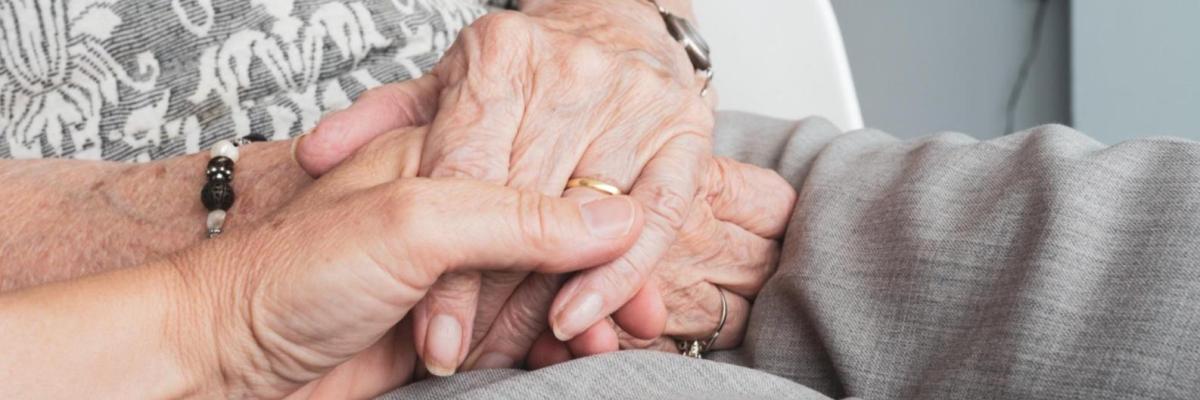
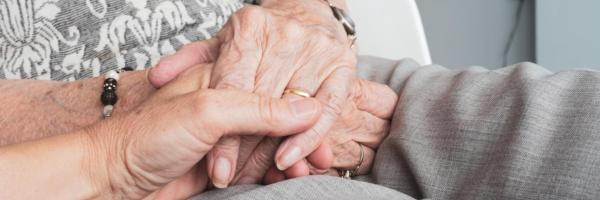
Photo header: pixabay_sabinevanerp-hands-4344711
We would like to thank the author Prof. Rok Čivljak for making this article available to Acta Medica Catholica.
The original publication (2025) can be found in the Journal of the Croatian Catholic Medical Society.
15/6/2026
for publication in Acta Medica Catholica 2026-1
Acta Medica Catholica 2026-1
Editor-in-chief Mr. Guillaume Giroul
Volume 95 (2026 semester 1)

Pierre DEVOS (ENG) - Encountering God in everyday life through love that is lived & shared

Daniel JEAN (FR) about Paray-le-Monial Assembly 2026 for christian healthcare workers and students: Prayer, workshops & conferences

Sophie IZOARD (NL)- Vulnerability in healthcare bears fruit: alive & empathic - while still woundable (summary by MC De Smet)

Mgr Pascal IDE (NL)- True care begins where vulnerability becomes power (Summary by S. De Smedt)
Rok ČIVLJAK (EN) - Integrating spiritual care into healthcare improves patient well‑being and treatment outcomes
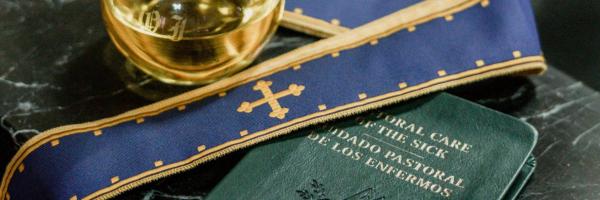
Roger KESSLER (FR) - Behind hospital doors, a spiritual companion helps patients face death, faith, fear and hope

Guillaume GIROUL (FR) - Theology helps healthcare professionals interpret vulnerability, dignity, and meaning beyond medical expertise alone

“Grant that I may not count the time I will spend at Your side in your suffering”